Introduction
Managing money effectively requires understanding how to distribute income and implement consistent saving strategies. Without clear methods, money can disappear quickly in unplanned spending. Income distribution ensures that money is allocated logically for essential needs, lifestyle choices, and long-term goals. Saving strategies ensure that a portion of income is consistently preserved for emergencies, future investments, or personal goals.
This article provides practical guidance on income distribution, saving methods, daily habits to control spending, and strategies to achieve better money control.
1. Understanding Income Distribution
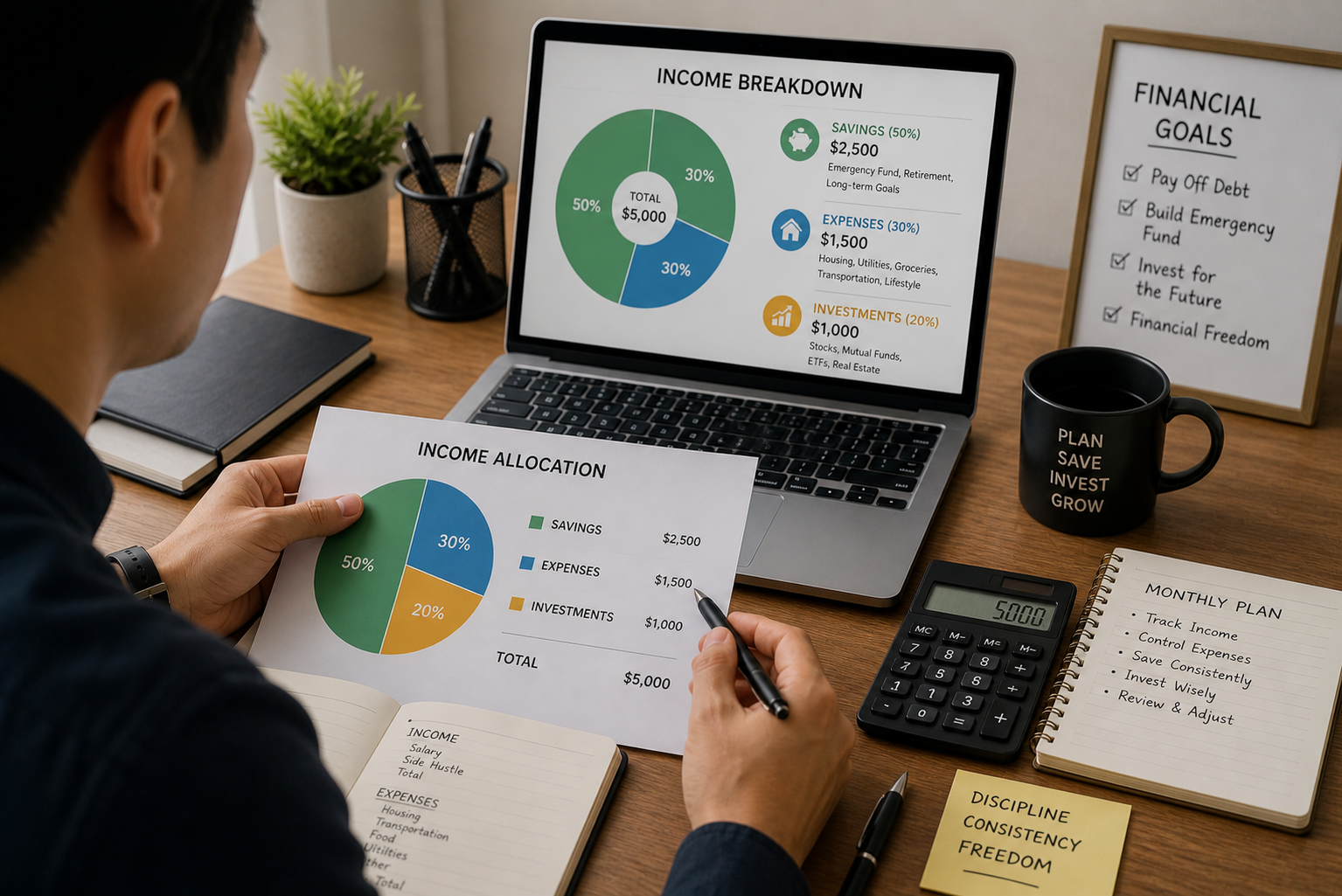
Income distribution is the process of dividing your earnings into specific categories based on priorities. Proper distribution ensures that money is available for daily needs, obligations, and long-term goals without creating financial stress.
Why Income Distribution Matters
- Prevents overspending in one area
- Ensures consistent savings
- Helps track spending patterns
- Allows planning for unexpected expenses
Common Methods of Income Distribution
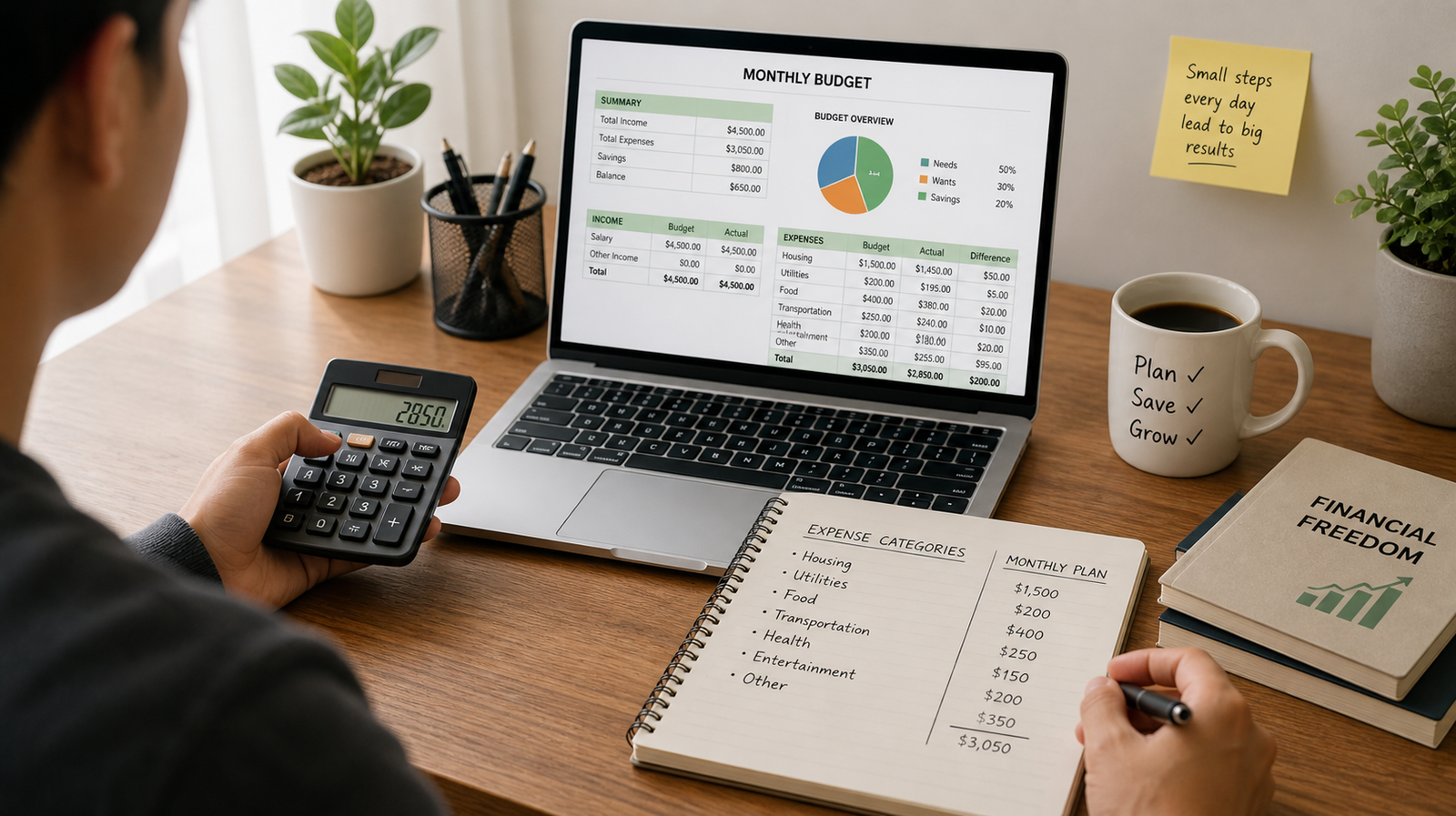
1.1 The 50-30-20 Rule
- 50% for needs: Allocate half of your income to essential expenses like rent, bills, groceries, and transportation.
- 30% for wants: Use a portion for optional expenses like entertainment, dining out, hobbies, or travel.
- 20% for savings or debt repayment: Set aside a percentage for emergency funds, investments, or paying off debt.
This method is simple and practical for most income levels.
1.2 Priority-Based Distribution
- List all monthly expenses in order of importance.
- Allocate money to essentials first, such as housing, utilities, food, and transportation.
- Assign remaining funds to optional expenses and savings.
1.3 Envelope System
- Assign physical cash or digital equivalents to separate “envelopes” for each category.
- Once the allocated amount is used, no more spending is allowed in that category for the month.
This system helps prevent overspending and provides clear visual tracking.
2. Saving Strategies
Saving is the practice of preserving a portion of income to ensure long-term financial control. Without savings, unexpected expenses can lead to debt and instability.
2.1 Pay Yourself First
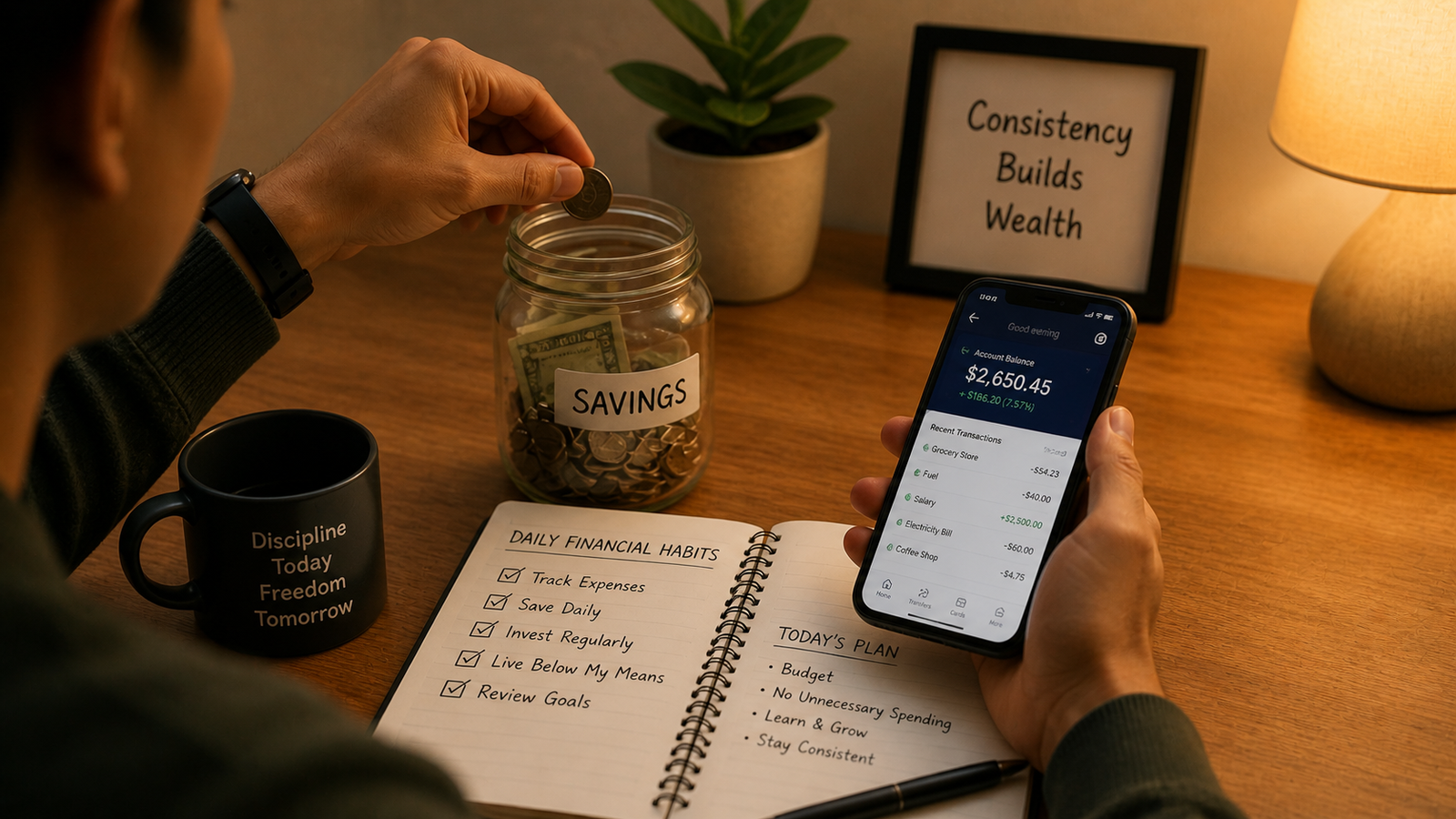
- Treat savings as the first expense, not the leftover.
- Set aside a fixed percentage immediately after receiving income.
2.2 Automatic Transfers
- Set up automatic transfers from your checking account to a savings account.
- Automation ensures consistency and reduces reliance on memory or discipline.
2.3 Separate Short-Term and Long-Term Savings
- Short-term: Emergency funds, monthly unexpected costs, or planned purchases within a year.
- Long-term: Investments, retirement, education, or property.
2.4 Saving Through Budget Adjustments
- Identify areas where spending can be reduced.
- Allocate the saved money to your savings account.
- Small, consistent adjustments can significantly increase your savings over time.
2.5 Using Multiple Accounts for Savings
- Maintain separate accounts for different goals.
- Example: one for emergencies, one for investment, and one for future purchases.
3. Combining Income Distribution and Savings for Better Money Control
To achieve better control, combine distribution and saving strategies:
- Identify total income and categorize it using a chosen distribution method.
- Set aside savings first according to goals and priorities.
- Allocate money for essential needs, ensuring all bills and fixed costs are covered.
- Assign funds for discretionary spending but remain within limits.
- Track all spending to ensure adherence to the plan.
Example:
If income is 100,000 units:
- 50,000 → Needs
- 20,000 → Savings
- 30,000 → Wants
Using this method ensures that savings are consistent and spending does not exceed limits.
4. Tracking Spending to Maintain Control
Tracking spending is critical for maintaining control. It provides insight into habits and allows timely adjustments.
4.1 Practical Tracking Methods
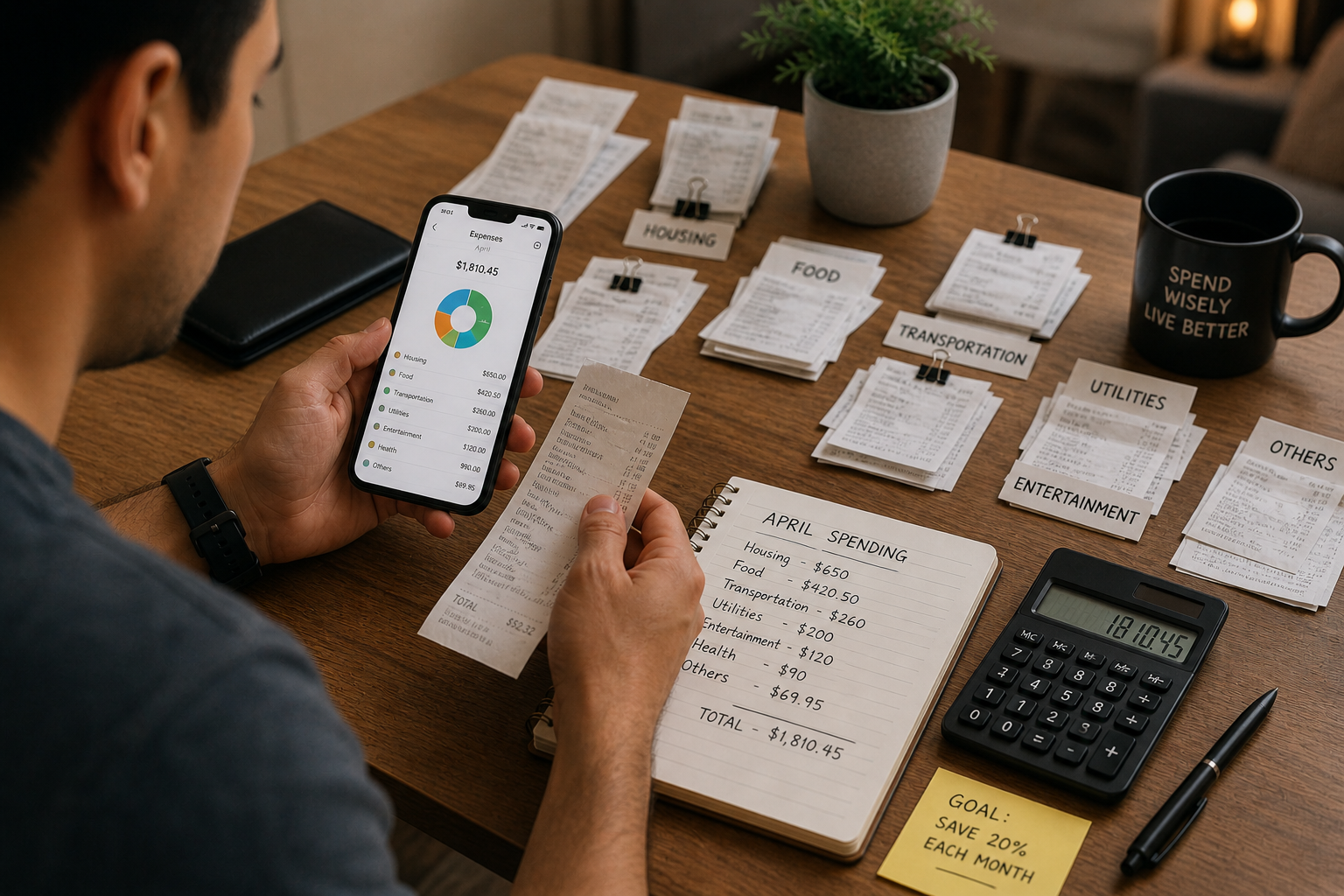
- Daily log: Record all purchases every day.
- Use spreadsheets: Summarize monthly income and expenses.
- Budgeting apps: Track spending automatically and categorize transactions.
- Weekly review: Compare spending with planned budget.
4.2 Benefits of Tracking
- Detect overspending early
- Prevent unnecessary debt
- Maintain discipline with money
- Identify areas for future savings
5. Avoiding Financial Losses
Even with income distribution and savings, losses can occur without careful management. Common causes include:
- Impulse purchases
- Late payments leading to fines
- Unused subscriptions
- Borrowing for non-essential items
Practical Tips
- Review bills before paying.
- Cancel unused subscriptions.
- Delay non-essential purchases to avoid impulse spending.
- Compare prices before purchases.
Avoiding losses increases available funds for savings and ensures financial stability.
6. Building Consistent Habits
Consistency is key to better money control. Even with a plan, irregular habits can reduce effectiveness.
Habits to adopt:
- Track income and spending daily
- Allocate savings before spending
- Stick to planned distribution
- Review financial goals monthly
- Adjust budget as income or expenses change
Over time, these habits become routine and improve control over money without stress.
7. Using Technology for Income and Savings Management
Technology simplifies tracking and enforcement of financial plans.
Tools
- Budgeting apps for real-time tracking
- Online banking for automatic transfers
- Spreadsheets for monthly summaries
- Alerts for overspending in certain categories
Technology reduces manual errors, ensures accuracy, and provides reports for review.
Conclusion
Understanding income distribution and applying consistent saving strategies are key to achieving better money control. By distributing income logically, prioritizing savings, tracking spending, and avoiding unnecessary losses, individuals can build a system that ensures financial stability over time.
Combining simple habits with disciplined monitoring creates a framework that allows money to work efficiently, reduces financial stress, and improves the ability to meet both short-term and long-term goals.