Introduction
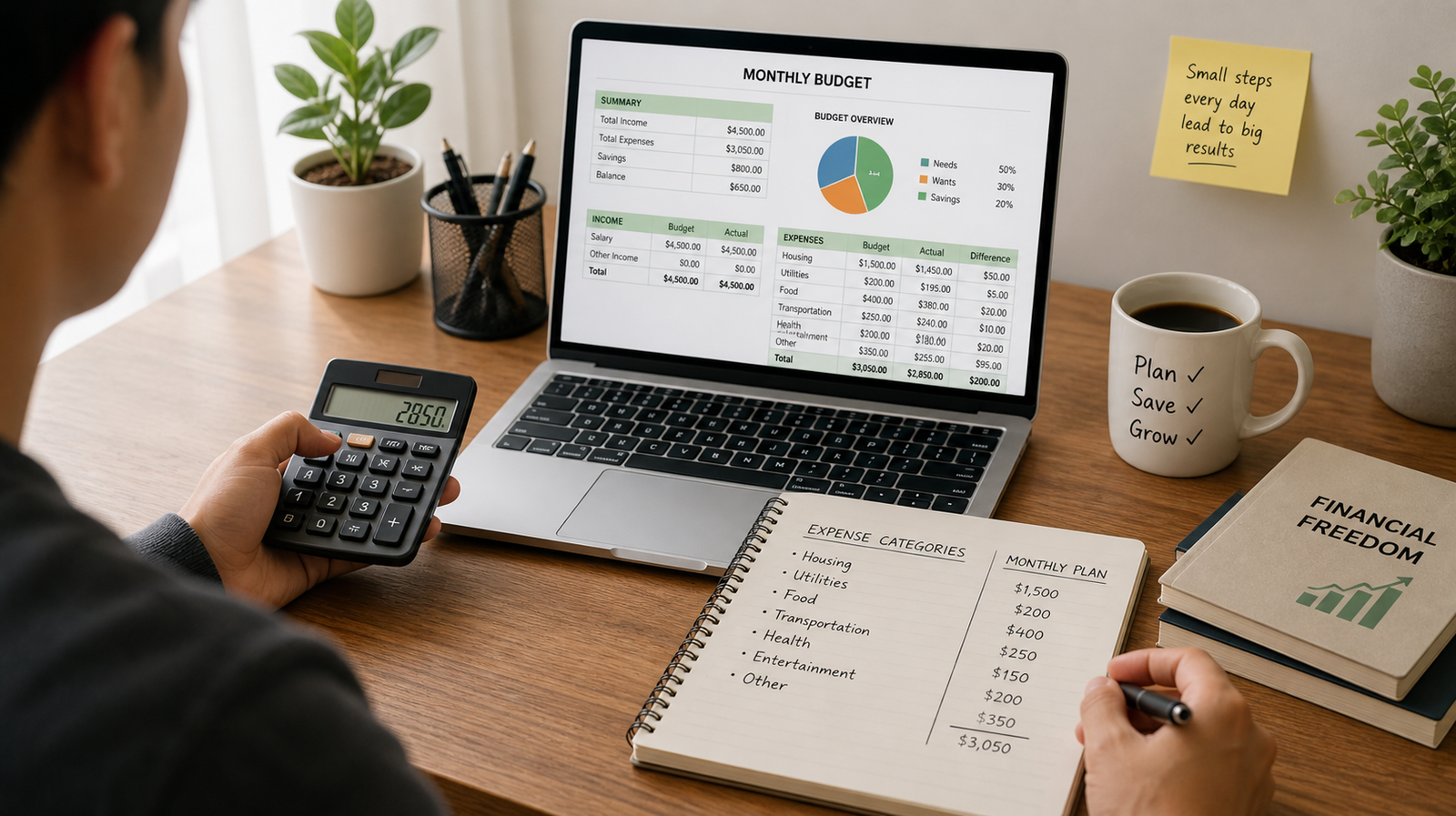
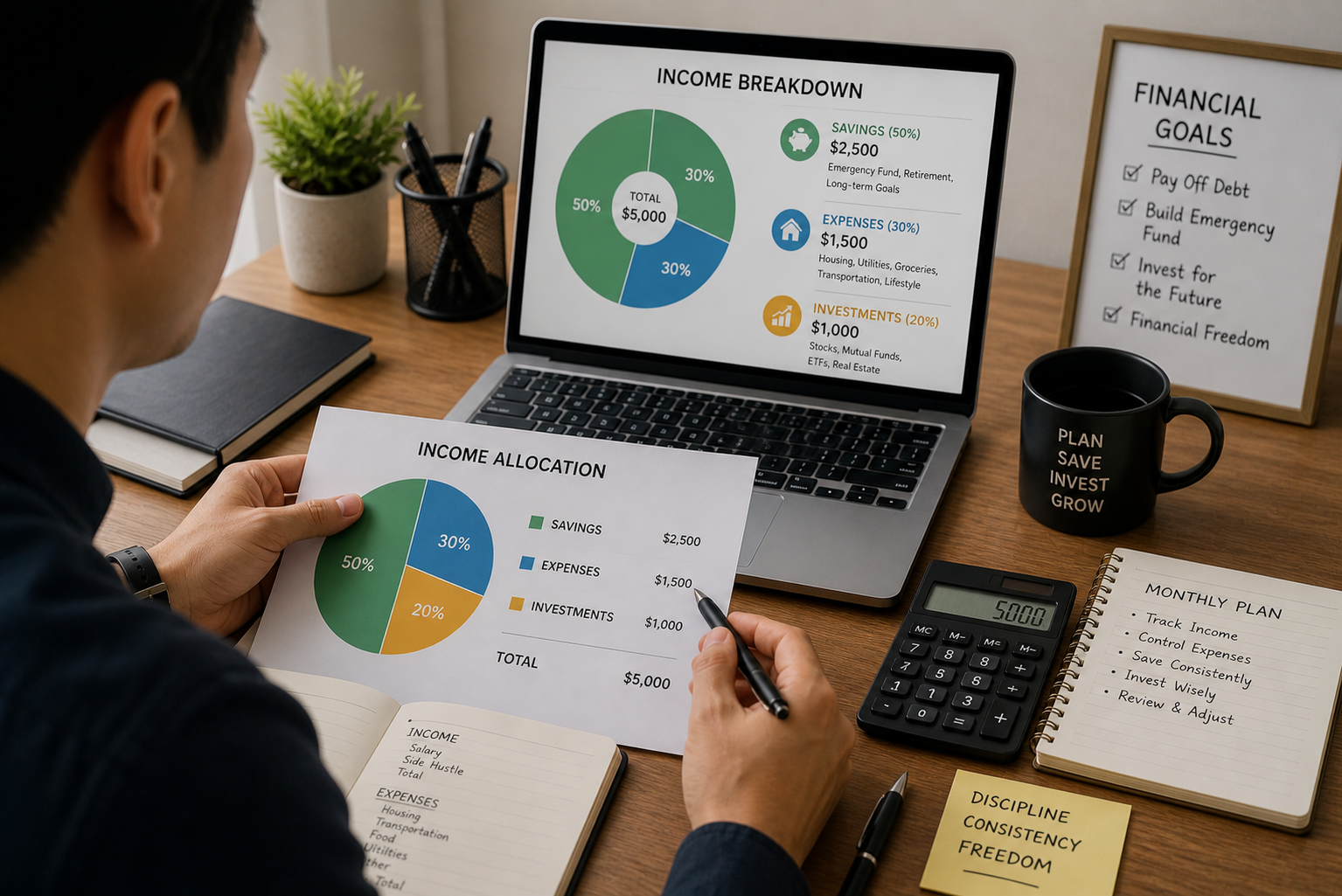
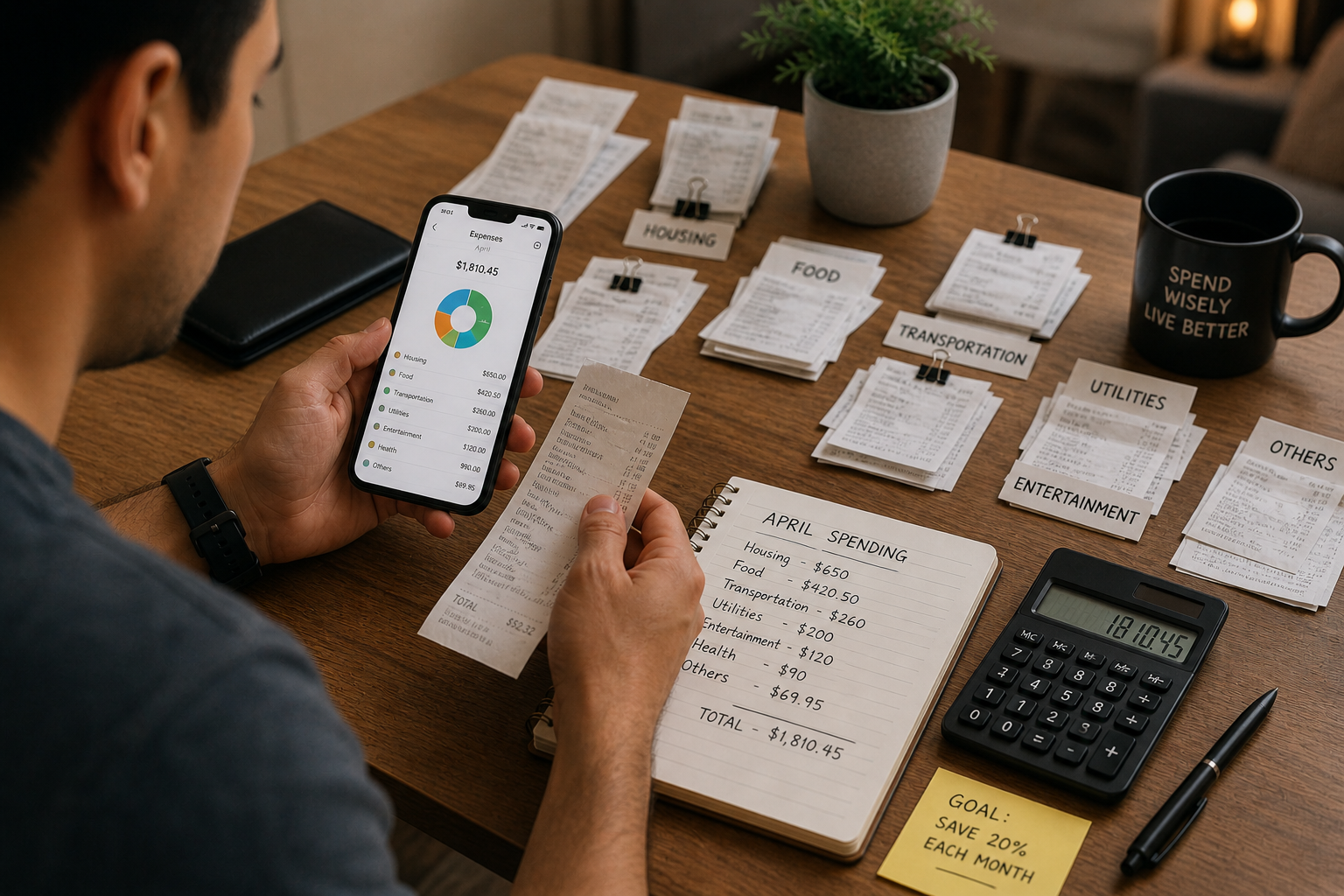
Many people struggle to control money because they do not track spending effectively. Small, unnoticed expenses can accumulate over time, leading to financial losses. Tracking spending provides a clear understanding of where money goes and helps identify areas where costs can be reduced.
Avoiding unnecessary losses is essential for maintaining financial stability. Unplanned purchases, late payments, and subscriptions can drain funds without adding value. This article explains practical methods to track spending, prevent financial losses, and implement strategies for better money control.
1. Importance of Tracking Spending
Tracking spending allows individuals to:
- Identify where money is going
- Compare actual expenses with budgeted amounts
- Control impulsive purchases
- Ensure money is available for savings and essential needs
Without tracking, even a well-planned budget can fail. Small expenses such as coffee, snacks, or transportation add up quickly, reducing funds available for savings or important investments.
2. Practical Methods for Tracking Spending
2.1 Daily Expense Log
- Record every purchase made each day
- Include both cash and digital transactions
- Note the category, amount, and purpose of each expense
Example:
| Date | Item | Amount | Category | Notes |
|---|---|---|---|---|
| 05/05/2026 | Lunch | 500 | Food | Office meal |
| 05/05/2026 | Fuel | 1200 | Transportation | Car commute |
Daily recording ensures no expense is missed and provides a realistic picture of spending habits.
2.2 Weekly Review
- Summarize all spending at the end of each week
- Compare actual spending with planned budget
- Identify categories where spending exceeded limits
Tip: Adjust the next week’s budget based on findings to maintain balance.
2.3 Budgeting Apps
- Use apps to automate tracking of income and expenses
- Apps categorize spending automatically
- Generate reports and visualize spending patterns
Popular features:
- Alerts when spending exceeds budget
- Reports for daily, weekly, or monthly periods
- Export data to spreadsheets for detailed analysis
2.4 Envelope Method
- Allocate cash for each spending category into separate envelopes
- Spend only what is in the envelope for that category
- Prevents overspending and creates a visual control over money
Example: Assign 5,000 for groceries, 3,000 for transportation, and 2,000 for entertainment.
2.5 Use Bank Statements
- Review bank statements monthly
- Check for unauthorized or unexpected charges
- Ensure spending aligns with your records
Bank statements provide an official record and can uncover errors or hidden fees.
3. Avoiding Unnecessary Financial Losses
Even with tracking, losses occur if money is not managed carefully. Common sources of financial losses include:
- Impulse purchases
- High-interest debt
- Late payment fines
- Unused subscriptions
- Overpaying for services
3.1 Prevent Impulse Purchases
- Make a shopping list before purchases
- Delay non-essential purchases for 24 hours
- Evaluate if the item is needed or can wait
Impulse buying is a major contributor to unnecessary financial losses.
3.2 Avoid High-Interest Debt
- Pay off credit cards or loans on time
- Avoid borrowing for non-essential items
- Compare interest rates before taking loans
High-interest debt consumes money that could be used for savings or investments.
3.3 Manage Subscriptions and Recurring Payments
- Review all subscriptions monthly
- Cancel unused or unnecessary services
- Avoid automatic renewals for services not regularly used
Subscription fees may seem small but add up over time.
3.4 Compare Prices Before Purchases
- Research multiple sources before buying
- Compare online and offline prices
- Check for discounts, promotions, or bulk purchase benefits
Price comparison prevents overspending and ensures better value for money.
3.5 Monitor Bills and Payments
- Set reminders for due dates
- Pay bills on time to avoid late fees
- Review bills for incorrect charges or extra fees
Timely payments prevent unnecessary financial losses and protect credit history.
4. Using Technology to Control Spending
Technology simplifies tracking and monitoring spending.
4.1 Budgeting Apps
- Track spending automatically
- Categorize expenses for easier analysis
- Alert when spending approaches limits
4.2 Mobile Banking
- Set alerts for large transactions
- Monitor account balances regularly
- Automate transfers to savings accounts
4.3 Expense Tracking Tools
- Use spreadsheets or digital notebooks to log expenses
- Summarize monthly data for review
- Identify trends and patterns for better planning
5. Building Consistent Spending Habits
Consistency is key to avoiding losses.
5.1 Daily Habit
- Record every expense immediately
- Avoid delaying entries to prevent forgetting purchases
5.2 Weekly Habit
- Review spending weekly
- Adjust budgets for categories exceeding limits
5.3 Monthly Habit
- Compare total spending with total income
- Adjust allocation for next month based on findings
Consistent habits create control over money and reduce unnecessary financial losses.
6. Combining Tracking and Saving Strategies
Tracking spending is most effective when combined with saving strategies.
- Allocate money for essential needs first
- Set aside savings before discretionary spending
- Use tracking to ensure savings goals are met
- Reduce expenses in categories where losses occur
By combining tracking with disciplined savings, financial stability can be maintained, and long-term goals achieved.
Conclusion
Practical spending tracking and avoiding unnecessary financial losses are essential for maintaining control over money. Daily expense logs, weekly reviews, budgeting apps, and envelope systems provide insight into financial habits. Avoiding impulse purchases, high-interest debt, unused subscriptions, and late fees prevents losses and ensures money is available for essential needs and savings.
Consistency in these practices builds financial discipline, ensures stability, and allows individuals to meet both short-term and long-term financial goals. Tracking spending and preventing losses creates a framework for better money control and long-term financial success.